 Next Up
Purattasi Month
Oct 9
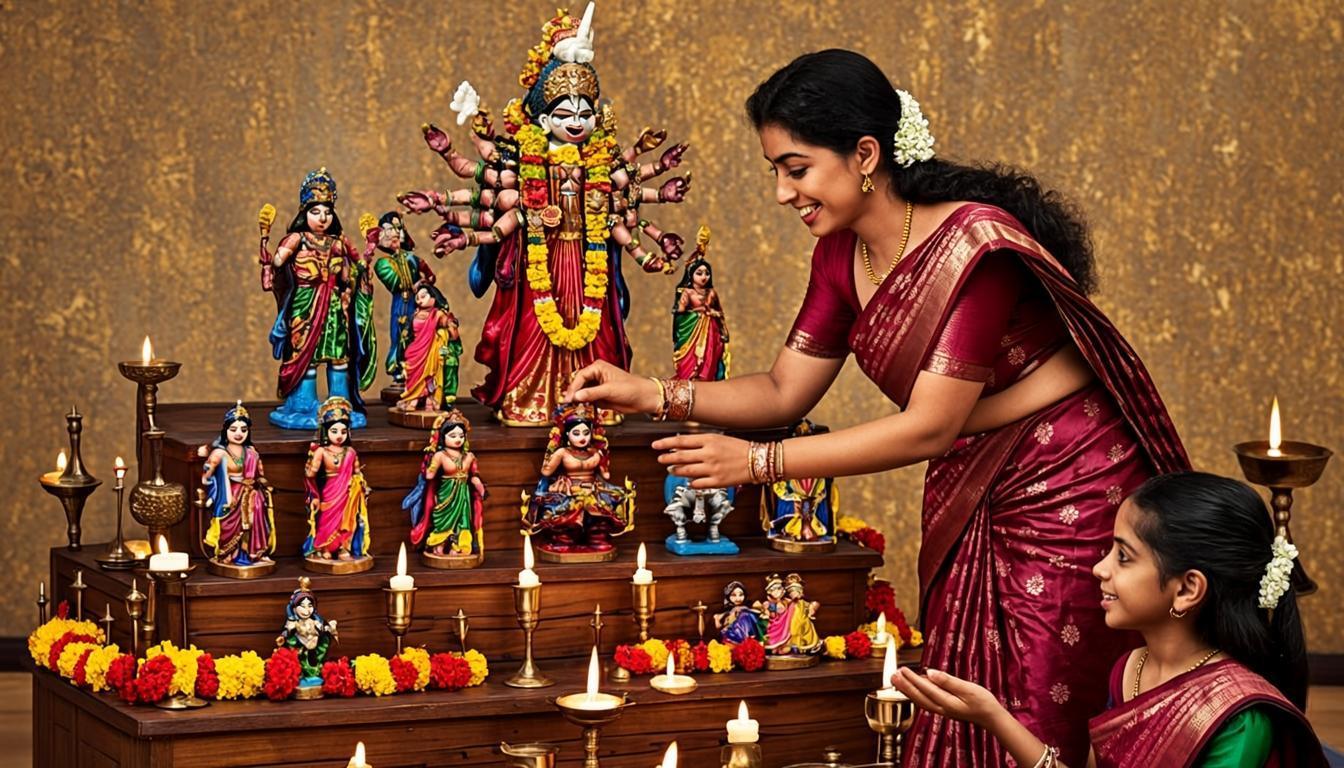
Navaratri Golu
Nine nights of the goddess — sarees for each day.
9-day saree bundle: 9 cottons for the price of 7
2× conches through Vijayadashami
View festival details
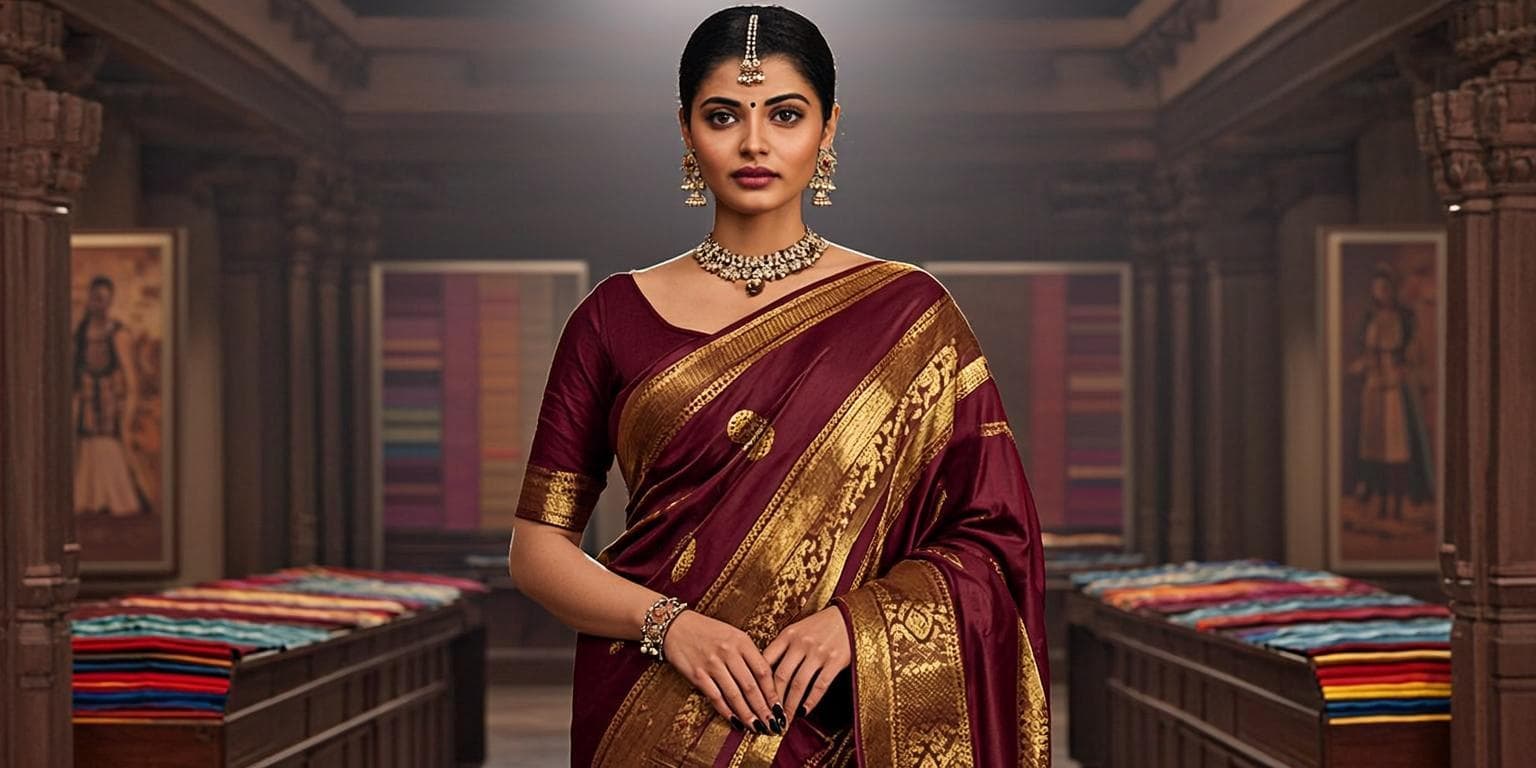
Sangagiri Chettiar Javuli Kadal — the legendary clothing house of Gobichettipalayam. Bespoke Kanchipuram, Banarasi & Mysore silks, men's, women's & children's wear. Now, for the first time in a hundred years — online.
Every region has its own loom. Begin with the tradition you love — from temple-bordered Kanchipuram to featherlight chiffon.
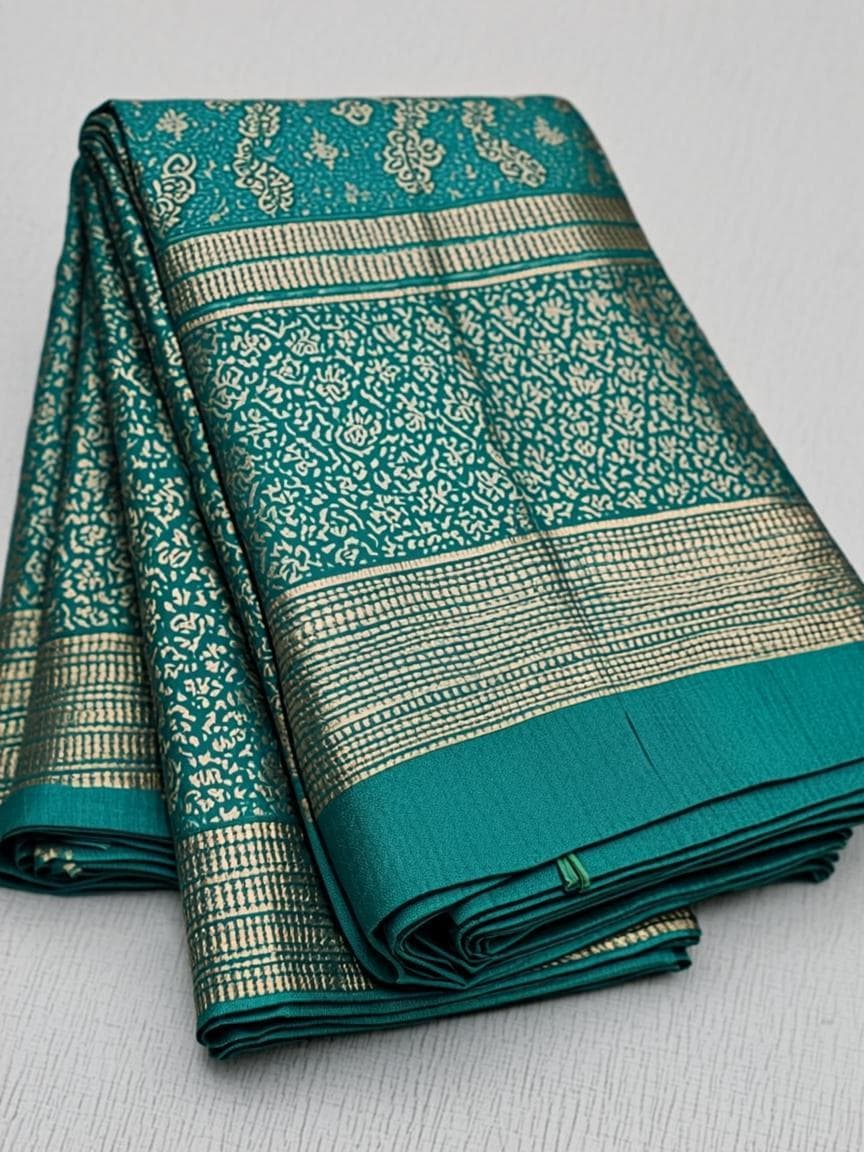
Kanchipuram · Tamil Nadu
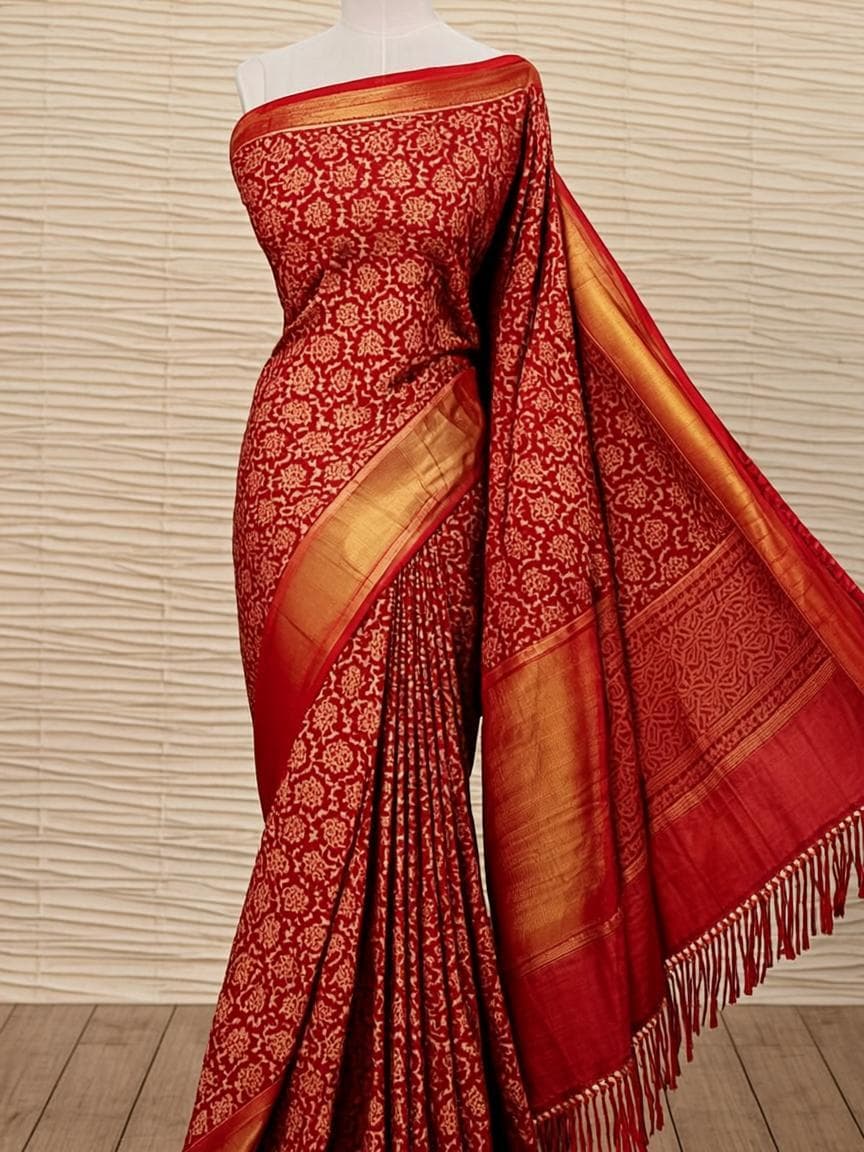
Varanasi · Uttar Pradesh
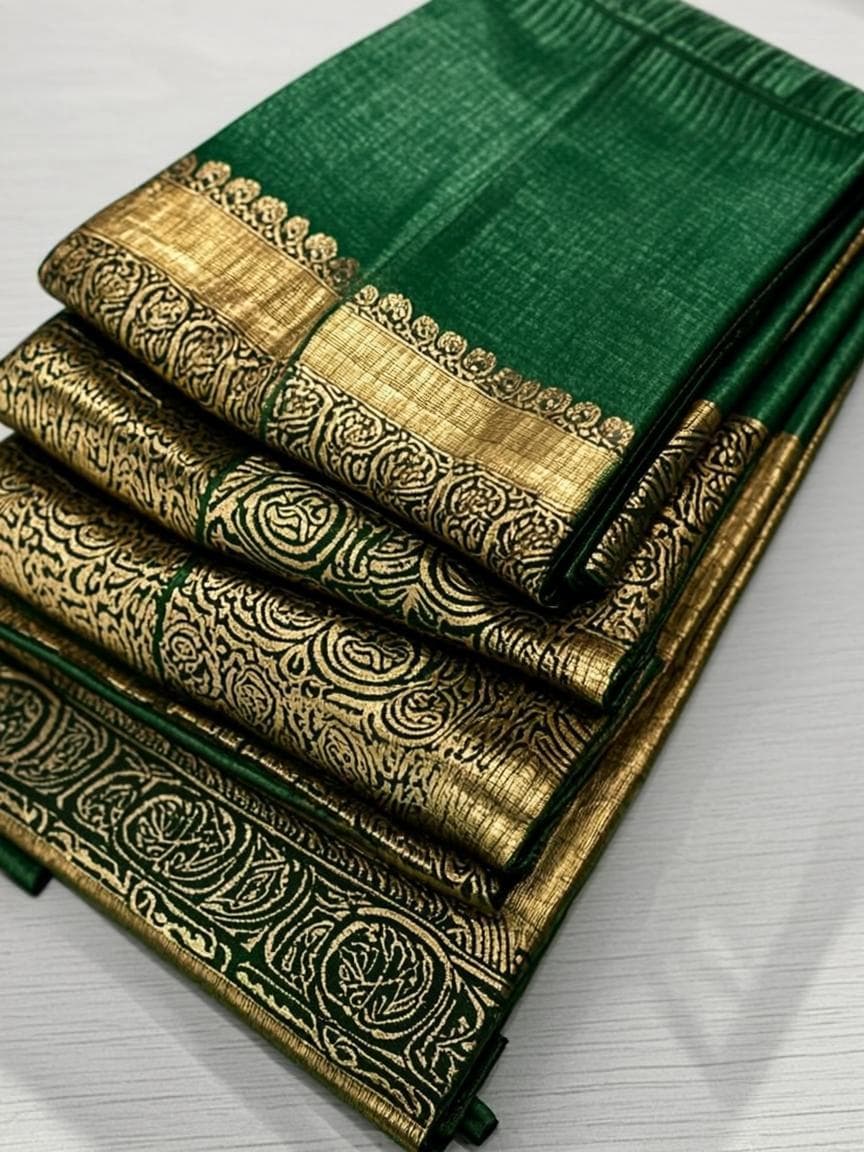
Mysuru · Karnataka
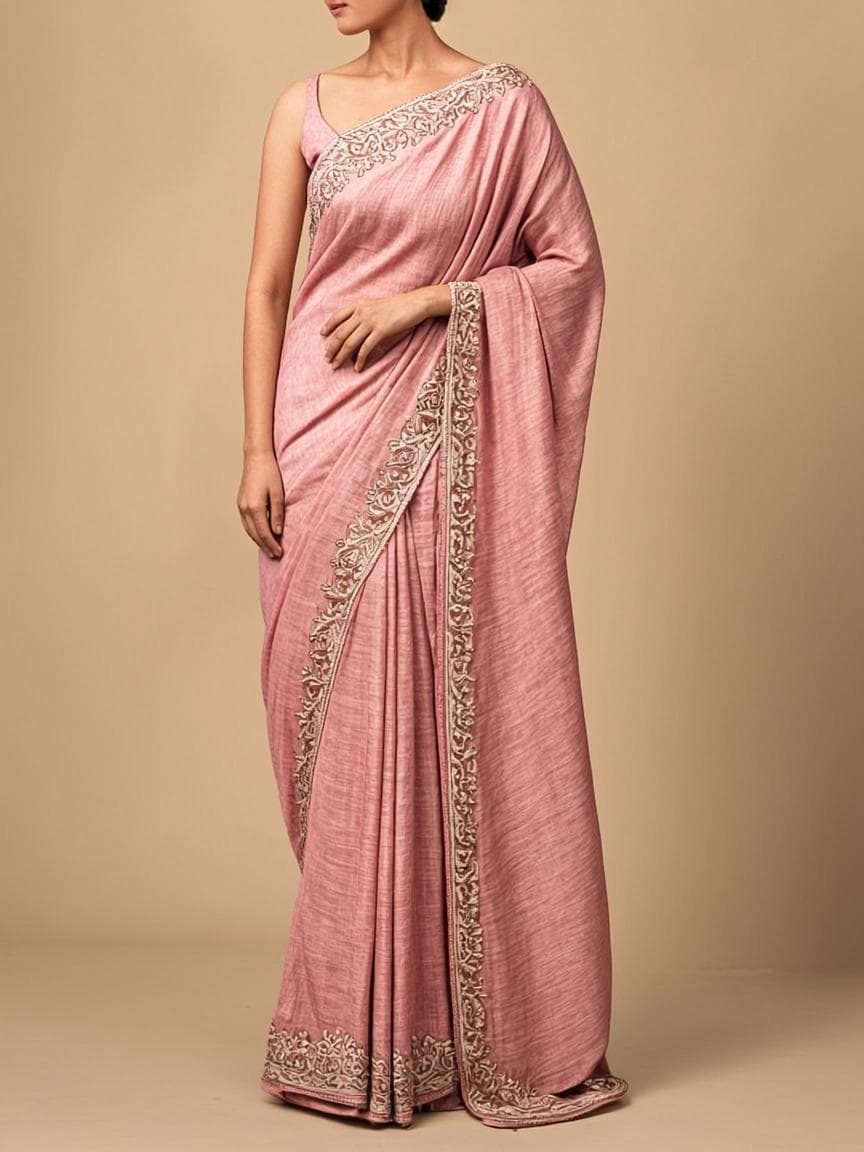
Embroidered in-house · Featherlight
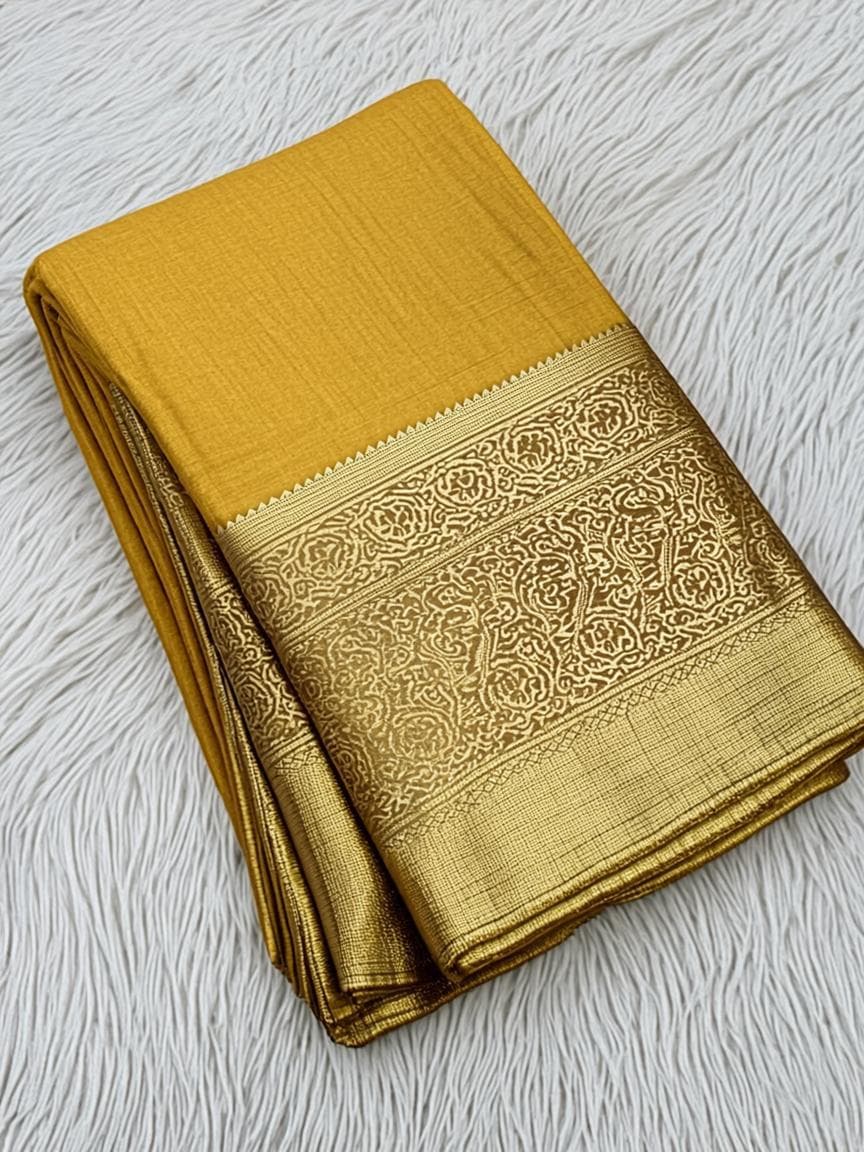
Gobichettipalayam & Erode belt · Handwoven
Swipe to explore →
Fresh off the looms and onto our shelves. Hand-picked sarees, lehengas and festive wear that landed this season at our Gobi and Coimbatore stores.
Mughal-inspired brocade from the looms of Varanasi. Intricate floral jaals in real gold thread — a statement of regal grace for weddings and milestones.
Airy floral chiffon with delicate thread embroidery — the modern woman's pick for receptions and evening soirees.
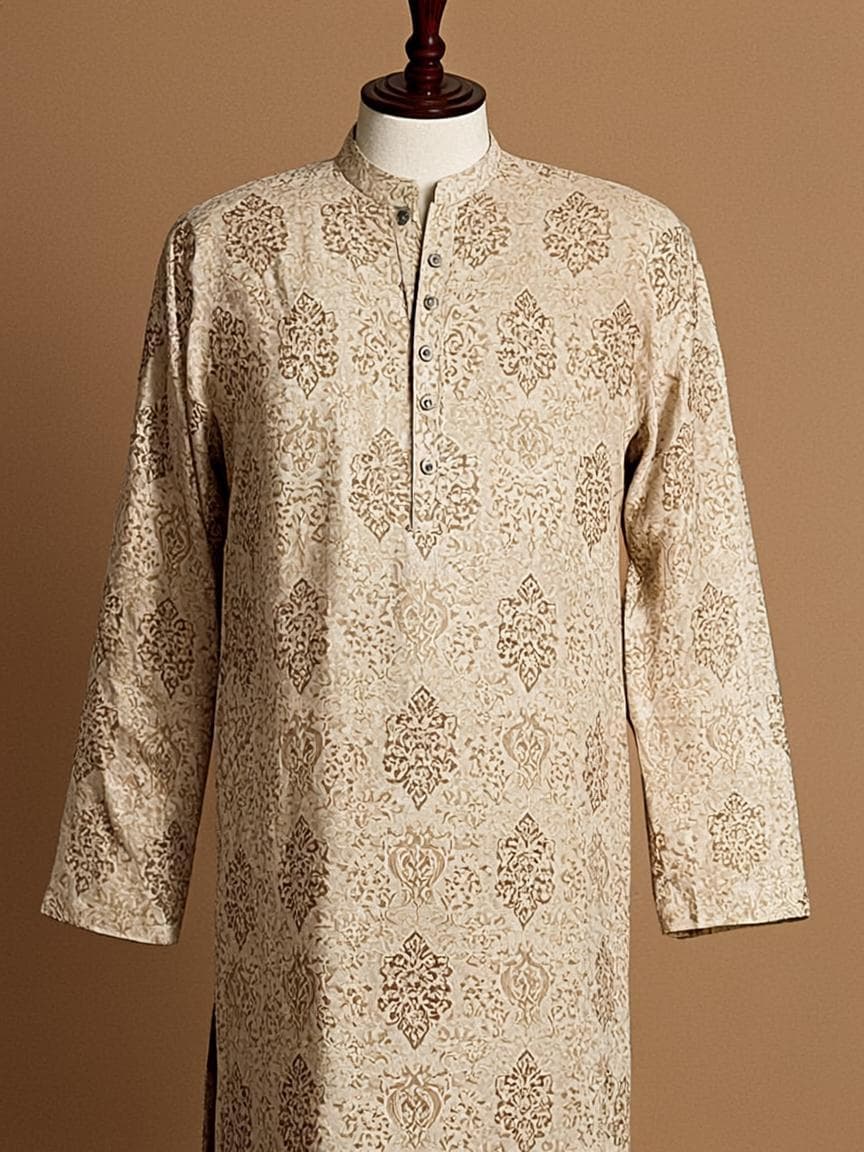
Ivory silk kurta with subtle gold embroidery — refined elegance for the discerning gentleman, perfect for weddings and festivals.
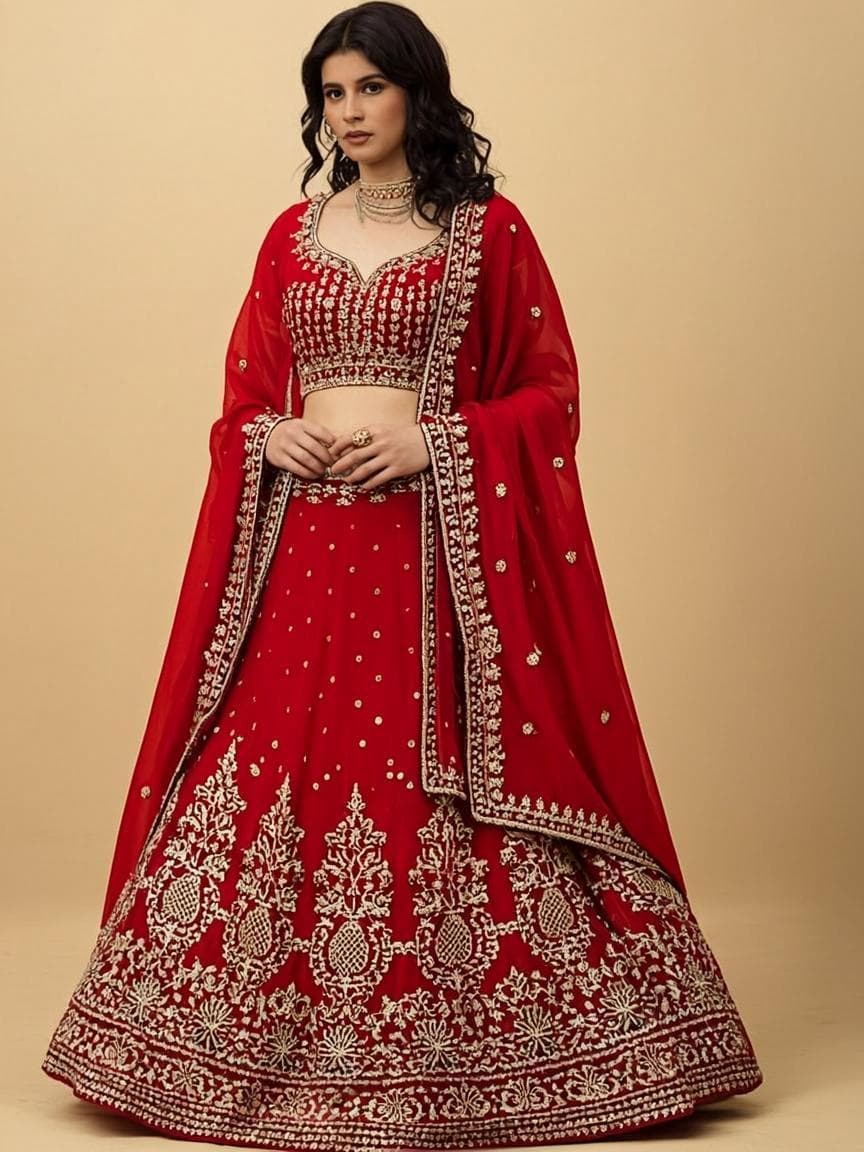
Lavish maroon-and-gold lehenga with mirror work and zari embroidery. A celebration in fabric for the bride and her kin.
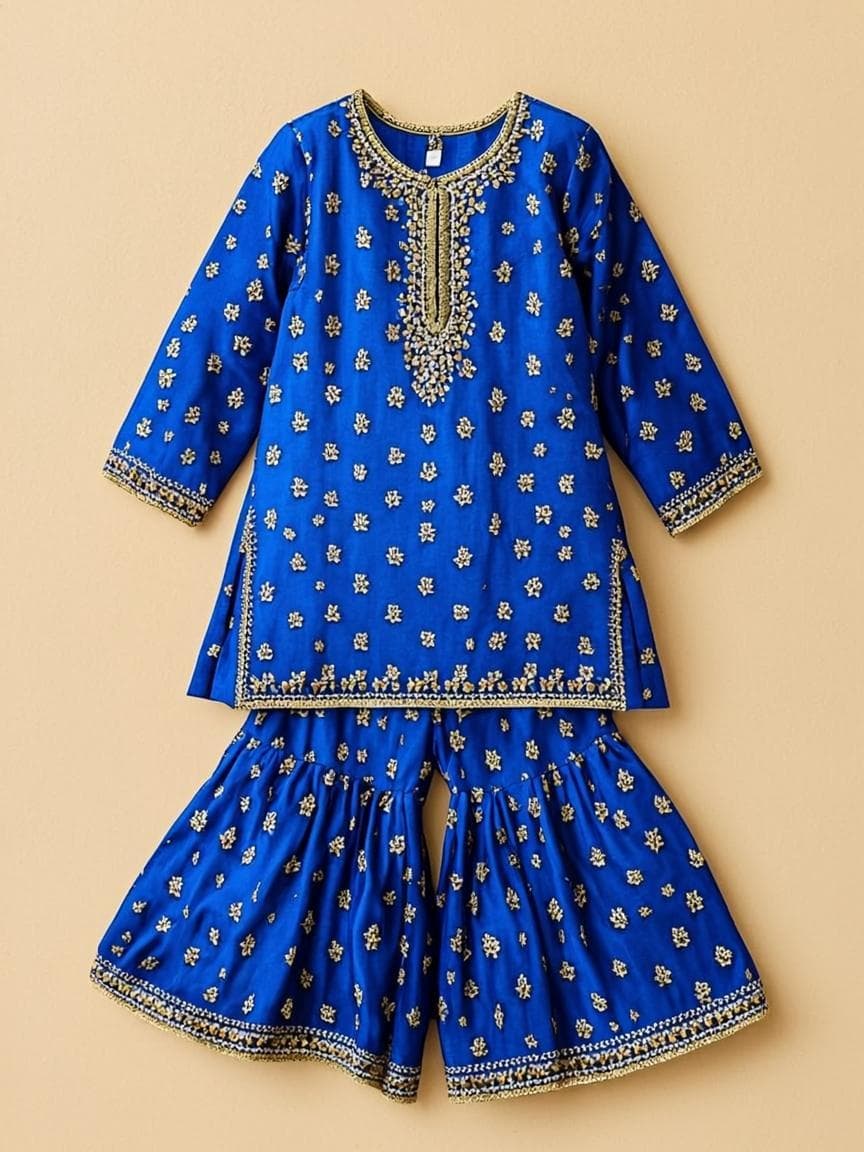
Charming ethnic sets for the little ones — royal blue and gold with gentle embroidery. Festive joy, sized small.
Swipe to explore →
A sea of cloth — Javuli Kadal. From bespoke bridal silks to everyday cottons, men's, women's & children's wear, all under one heritage roof.
The crown jewel of our flagship section. Handwoven Kanchipuram silk with pure zari temple borders, woven by master weavers whose families have served Sangagiri Chettiar for generations.
Mughal-inspired brocade from the looms of Varanasi. Intricate floral jaals in real gold thread — a statement of regal grace for weddings and milestones.
Lightweight, lustrous Mysore silk with a signature gold pallu. The everyday luxury that drapes like a dream and travels effortlessly.
Airy floral chiffon with delicate thread embroidery — the modern woman's pick for receptions and evening soirees.
Breathable handwoven cotton with traditional borders and tribal motifs. The trusted daily companion of the women of Gobi for nearly a century.
Ivory silk kurta with subtle gold embroidery — refined elegance for the discerning gentleman, perfect for weddings and festivals.
Our full collection is far deeper than what's shown here — visit our stores in Gobichettipalayam or Coimbatore to explore the complete Javuli Kadal.
A peacock-blue body woven with 3 grams of pure gold zari, finished with a temple-motif border. Hand-loomed over 14 days by master weavers of Kanchipuram — a heritage heirloom for the bride who carries a century in her drape.
Each Kanjivaram at Sangagiri Chettiar comes with a silk-mark certificate and lifetime fall-picot service.
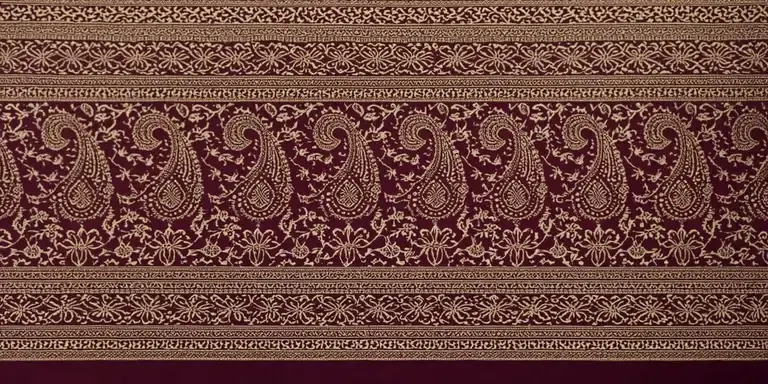
Special Kanjivaram unveiling + bonus spins
Hours, addresses and what to expect on each floor — the things worth knowing before you make the trip.
We have two stores. The original is on Main Bazaar Road, Gobichettipalayam, Erode District, Tamil Nadu 638452. The second is at Periyanaickenpalayam, Coimbatore District, Tamil Nadu 641020. Both are on the Visit page with directions.
Gobichettipalayam is open Monday to Saturday, 9:30 AM to 8:30 PM, and Sunday from 10 AM to 1 PM. Coimbatore is open Monday to Saturday, 10 AM to 8:30 PM, and closed on Sunday.
The ground floor holds everyday sarees and raw cloth material, with the bespoke saree hall at the rear. The upper floors carry the men's, women's and children's sections. In Coimbatore all sections run across two floors, with the bespoke saree lounge on the first.
No — walk in any working hour. If you are coming for a bridal selection and want the bespoke hall and a staff member to yourself, booking a slot through the Visit page means the sarees are laid out before you arrive.
No. Everything is sold across the counter at the two stores. A saree is a decision made by hand — weight, fall and the way zari catches light do not survive a photograph — so this site is here to help you arrive knowing what you want, not to check out.
Two homes. A century of trust. Walk in any day — we'll treat you like family.
Mon–Sat: 9:30 AM – 8:30 PM · Sun: 10 AM – 1 PM
Mon–Sat: 10 AM – 8:30 PM · Sun: Closed
Leave your details and we'll call you back — no appointment needed.
A silk saree can outlive a century — with the right care. The rules our grandmothers taught us, now for you.
Pure silk fibres are protein-based (like human hair). Heat and alkali are their enemies. Wash only when truly needed — airing a saree after wear is usually enough. Two washes a year is the absolute maximum for a frequently-worn silk; an heirloom bridal saree should ideally never be washed at all — only aired.
In short
Never machine-wash. Hand-wash in cold water with a drop of mild soap, once a season at most.
Need help caring for your silk saree?
Free expert consultation at our stores — heritage care, for 100 years running.
Every region of India holds its own signature saree drape — each one centuries old. Learn eight regional drapes, one by one, with step-by-step guidance.
Tamil Nadu · Tamil Brahmin
Nine-yard dhoti-style lower wrap, freeing the legs for ritual walking
The nine-yard drape of Tamil Brahmin women, worn for weddings and sacred rites. The saree passes between the legs and is fastened at the back like a dhoti, freeing both legs for ritual circumambulation.
Tuck the nine-yard saree at the right waist, then wind it fully around the waist to the left.
Make a single fan pleat at the centre-back and bring the cloth forward between the legs.
Pass the cloth through the legs and tuck it firmly at the back waist — this forms the dhoti-style lower garment.
Take the remaining length and pleat it into seven to nine sharp front pleats, tucking them at the navel.
Drape the pallu over the left shoulder, pleated fan-style, falling toward the knee.
Pin the pallu at the shoulder and adjust the back dhoti so the folds sit flat and secure.
Live draping demo at our showroom — by heritage drapers.
Every saree in our collection carries centuries of craft, community and culture. Here are the stories woven into the threads.
Each Kanchipuram saree is woven by a single artisan over 10–15 days. The silk is dipped 30+ times in dye to achieve its legendary depth. A pure zari border contains real gold and silver thread — a single saree can contain 2–3 grams of gold.
Banarasi weaving dates back to the Mughal era. The intricate jaal (net) pattern is created using the 'jalwa' technique where the weaver follows a tapestry design pinned above the loom. A single Banarasi can take 15–30 days to complete.
Mysore silk has a GI (Geographical Indication) tag — only silk produced in Karnataka's Mysore district can bear the name. The KSIC factory uses a century-old process with mulberry silk, natural dyes and 100% pure gold zari for the pallu.
In Pochampally and Sambalpuri ikat, the yarn is dyed BEFORE weaving — the pattern is calculated mathematically, resist-dyed in stages, then woven. A single misalignment ruins the entire pattern. Double ikat (Patola) is the rarest: both warp and weft are pre-dyed.
Real zari is made by flattening gold and silver wire around a silk core. A single saree's zari can contain up to 5 grams of silver and 0.5 grams of gold. Modern 'tested zari' uses copper electroplated with silver — still valuable, but less than the real thing.
The saree is the world's oldest unstitched garment, dating to the Indus Valley Civilization (2800 BC). A single 5–9 yard piece of cloth can be draped in 80+ documented styles. The pallu (decorative end) was traditionally a woman's canvas — telling stories of her community and status.
Want to test your textile knowledge? to earn real in-store discounts.
A century is built one family at a time. Here are a few of the families who have made Sangagiri Chettiar part of their story.
“For my daughter's wedding, I walked into the Gobi showroom with my mother's 40-year-old pallu as a reference. Three weeks later, Annamalai Sir handed us a bridal Kanjivaram that matched it thread for thread. The family that drapes a Sangagiri saree on her wedding day is blessed — that's what we believe.”
“I live in Coimbatore but I drive 60 km to the Periyanaickenpalayam branch just for the bespoke service. They remember every saree my wife owns, they suggest matching blouses, they sit with us for hours over filter coffee. This is not a shop — it is an institution.”
“My grandmother bought her wedding saree here in 1958. My mother in 1986. Me in 2019. Three generations, one shop, one promise — pure silk, real zari, fair price. When my daughter comes of age, there is no other place we will even consider.”
Tamil Nadu celebrates seven major clothing festivals through the year. Each brings its own saree tradition, its own offer, and its own conch bonus. Plan your year with us.
Next UpNine nights of the goddess — sarees for each day.
9-day saree bundle: 9 cottons for the price of 7
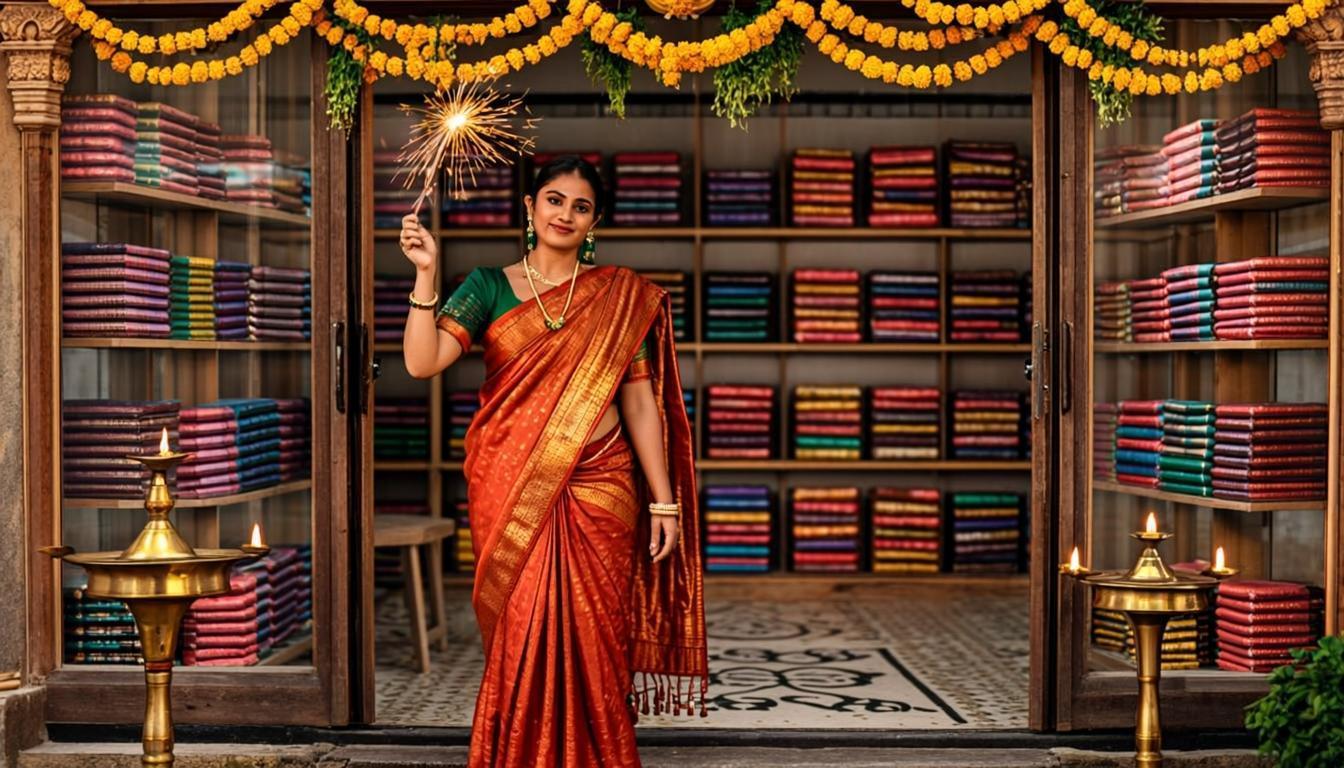
The festival of lights — new clothes for every member of the family.
Buy any 3 sarees, get 4th at 50% off + free blouse stitching
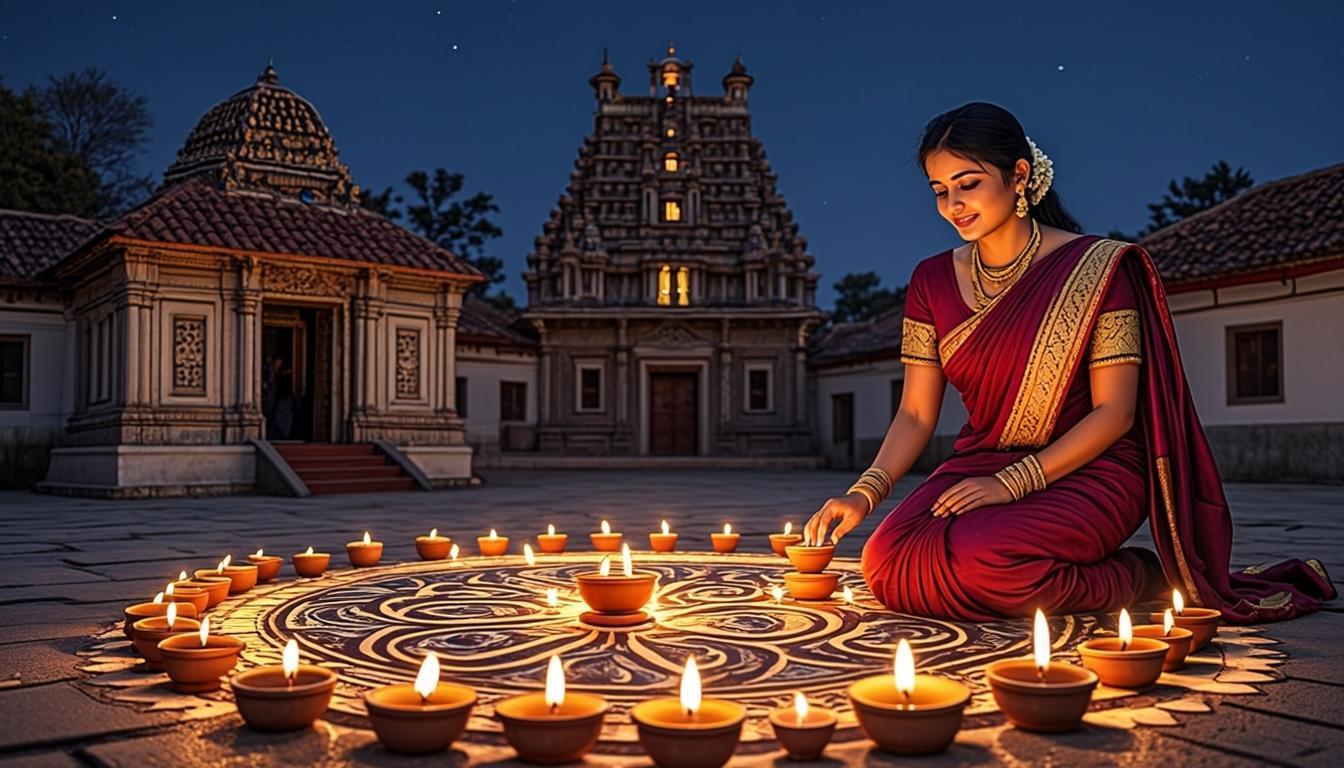
The festival of lamps — final auspicious day of the year.
Free set of brass lamps with purchases above ₹10,000
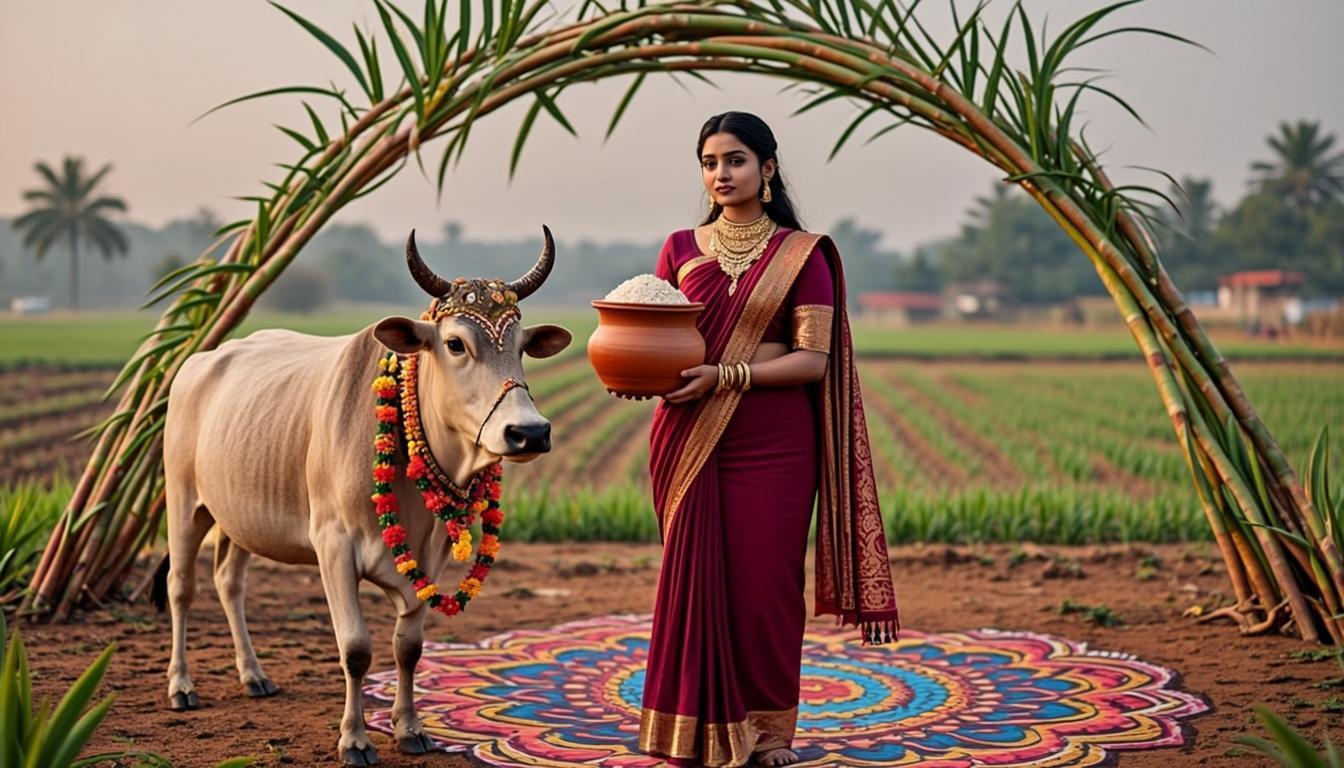
The harvest festival — new clothes for the whole family.
Buy 2 sarees, get a free silk cotton blouse piece
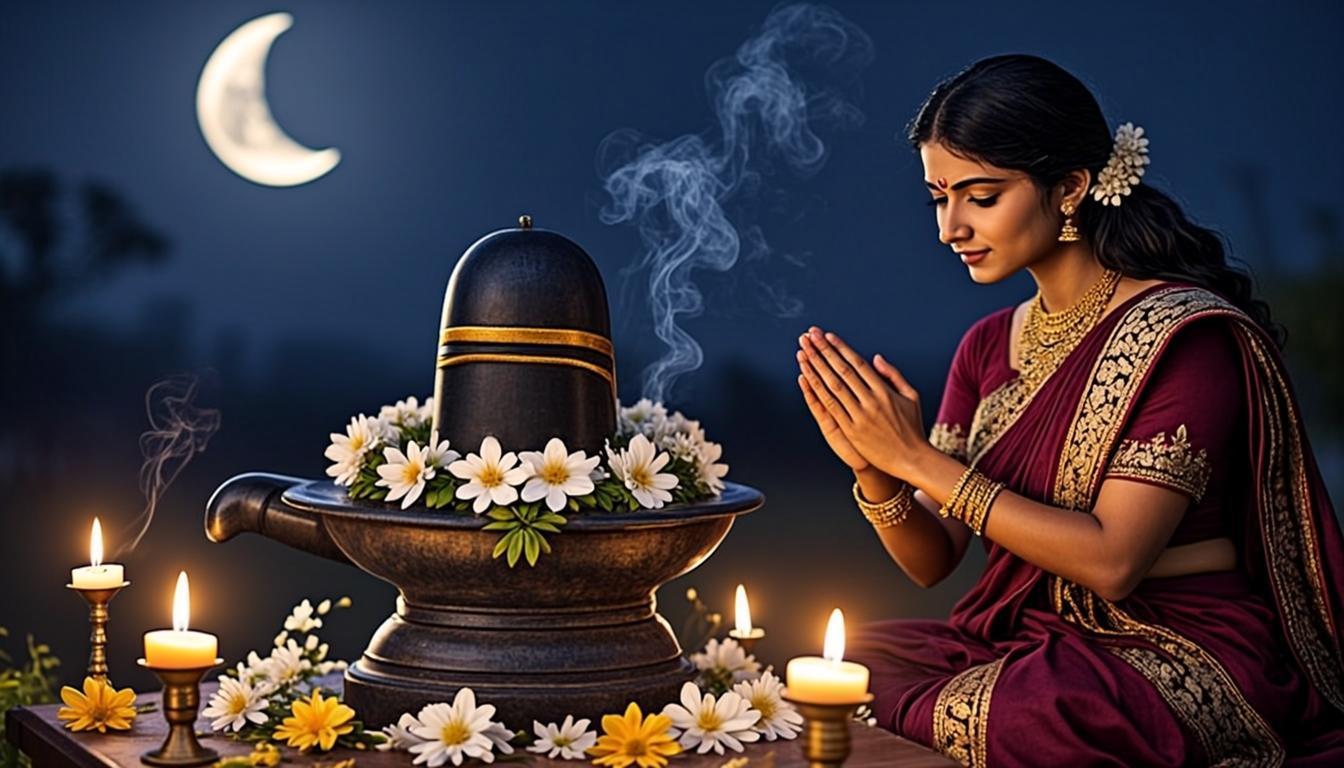
The great night of Shiva — silk for temple visits.
10% off all Mysore silk sarees
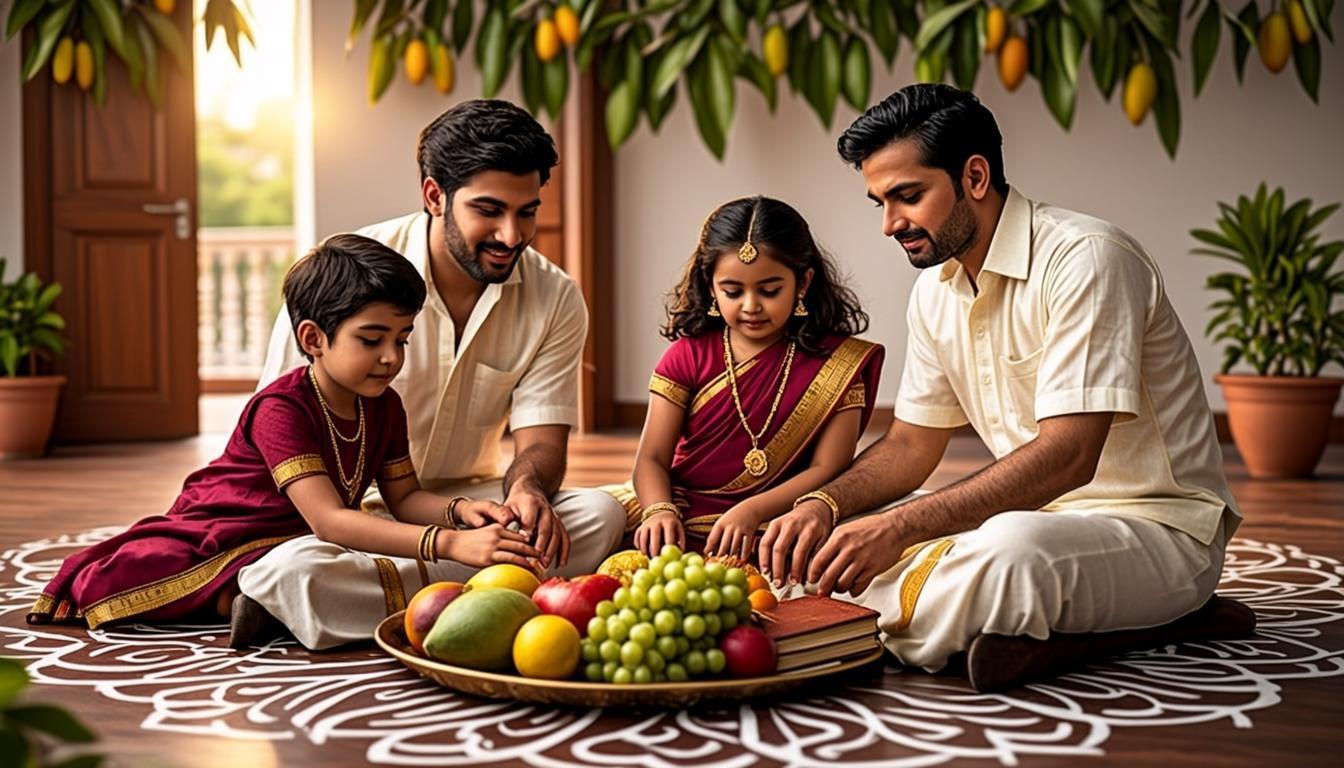
The Tamil year begins — auspicious new beginnings.
Free matching blouse stitching with every bridal saree
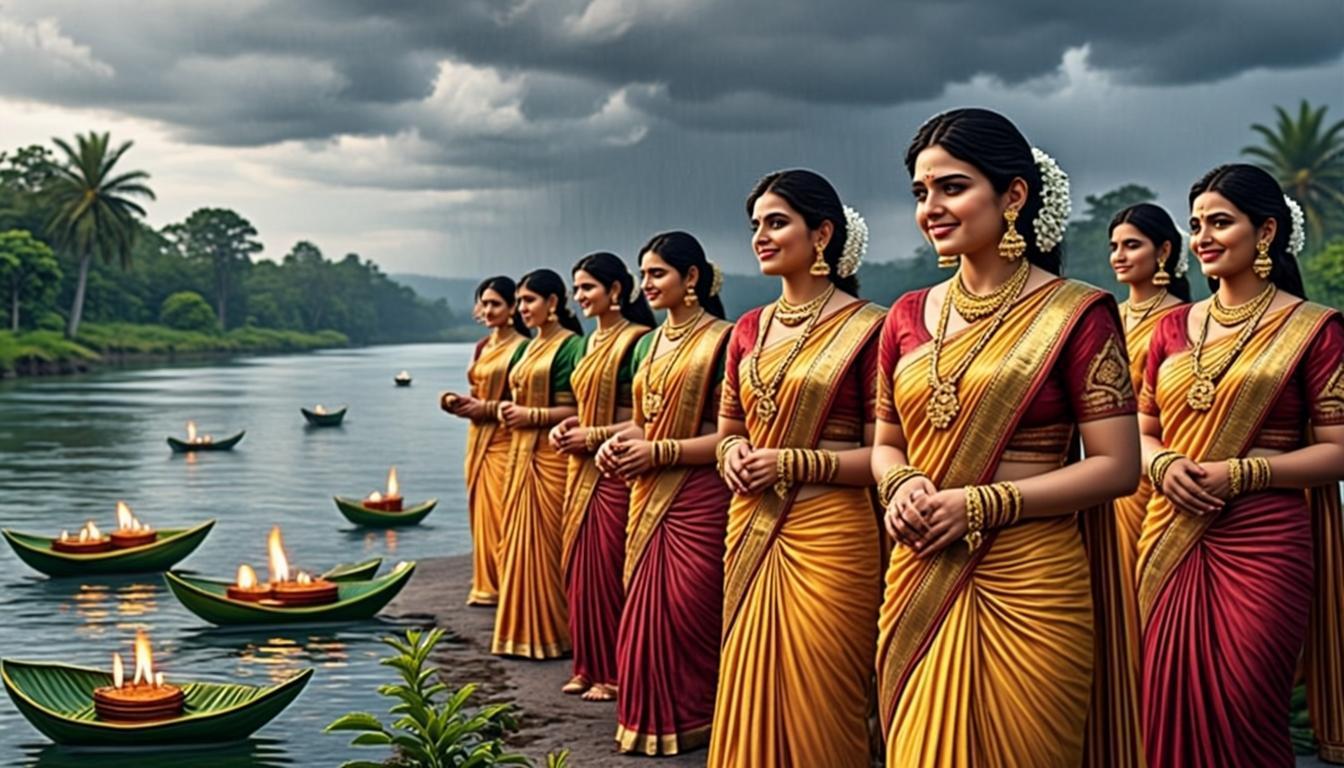
Water festival + the legendary Aadi mega sale.
Flat 20% off all silk sarees + free gift wrap
All offers valid during the festival window only. Visit our showrooms for the full festive experience — jasmine garlands, filter coffee, and a hundred silk sarees.